
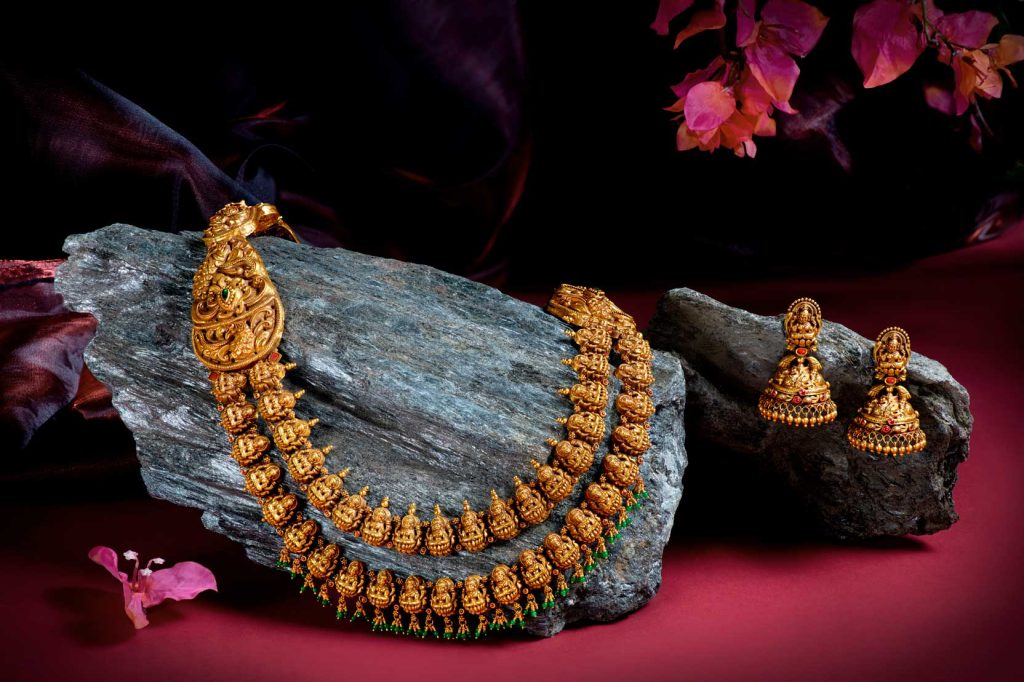

Jewelry remains one of the most enduring artistic expressions, blending craftsmanship, symbolism, and personal meaning. From cultural heirlooms to modern minimalist pieces, jewelry reflects the evolving tastes and values of each generation while preserving traditions that date back millennia.
How Jewelry Became a Global Art Form
Jewelry has long been a marker of identity and heritage. Across continents, different civilizations developed distinct styles shaped by their resources, beliefs, and artistry.
Ancient Roots and Cultural Influence
-
Early societies used jewelry for ritual significance, protection, and storytelling.
-
Civilizations such as those in Asia, Africa, and the Mediterranean developed advanced metalwork, bead-making, and stone carving techniques.
-
Ornamentation often symbolized leadership, spirituality, or social belonging, making jewelry much more than simple decoration.
The Essential Elements of Fine Jewelry
Modern jewelry design embraces both traditional materials and innovative alternatives, opening endless possibilities for artisans and wearers.
Precious Metals and Their Appeal
Jewelry metals like gold, silver, and platinum remain highly valued for their beauty and longevity. Their malleability allows intricate detailing, making them ideal for both classic and contemporary pieces.
Gemstones That Inspire Emotion
Gemstones contribute vibrancy and individuality to jewelry. Some of the most cherished choices include:
-
Diamonds, admired for their unmatched brilliance
-
Emeralds, symbolizing renewal and harmony
-
Rubies, associated with passion and vitality
-
Sapphires, known for their depth and elegance
Modern Innovations
Advances in technology have expanded jewelry-making to include:
-
Lab-grown diamonds, offering ethical and affordable alternatives
-
Recycled metals, appealing to eco-conscious buyers
-
Custom CAD designs, enabling precise personalization
Jewelry in Today’s Fashion Landscape
Jewelry continues to evolve with contemporary style movements, reflecting lifestyle, personality, and cultural diversity.
Everyday Minimalism
Simple chains, thin bands, and geometric pieces dominate modern wardrobes for their versatility and understated charm.
Statement and Occasion Pieces
Bold designs featuring oversized gems, sculptural forms, or layered elements remain popular for events, celebrations, and fashion-forward looks.
Personalized and Sentimental Jewelry
Names, initials, birthstones, and engraved messages make jewelry deeply meaningful, reinforcing its role as a cherished keepsake.
Caring for Jewelry the Right Way
Proper maintenance protects both the beauty and value of treasured pieces.
Best Practices for Longevity
-
Store jewelry separately to avoid scratches and tangling.
-
Clean pieces regularly using soft cloths and recommended solutions.
-
Keep gemstone jewelry away from harsh chemicals.
-
Have valuable items inspected by professionals to ensure stone security and metal integrity.
FAQs
1. What type of jewelry is best for daily wear?
Lightweight, durable pieces such as gold or platinum bands, small hoops, and minimalist necklaces are ideal for everyday use.
2. Are lab-grown diamonds considered real diamonds?
Yes, they share the same chemical and physical properties as mined diamonds, differing only in origin.
3. How do I choose a gemstone that suits my style?
Consider your preferred colors, personal symbolism, and how the stone complements your wardrobe.
4. Is silver good for sensitive skin?
Sterling silver is generally safe for sensitive skin, especially when properly alloyed and well-maintained.
5. How can I tell if a piece of jewelry is high quality?
Look for craftsmanship details, secure settings, hallmark stamps, and reputable gem certifications.
6. Should jewelry be stored in airtight containers?
Airtight storage helps prevent tarnish on silver but may not be necessary for gold or gemstone jewelry.
7. How often should I clean gemstone jewelry?
Cleaning once every few weeks is usually sufficient, though delicate stones may require gentler methods.


